
Sustainability
The goal of The Hack Farm is to work with regenerative practices, improving the agroecosystem of the farm and demonstrating sustainable food production practices. The focus is on:
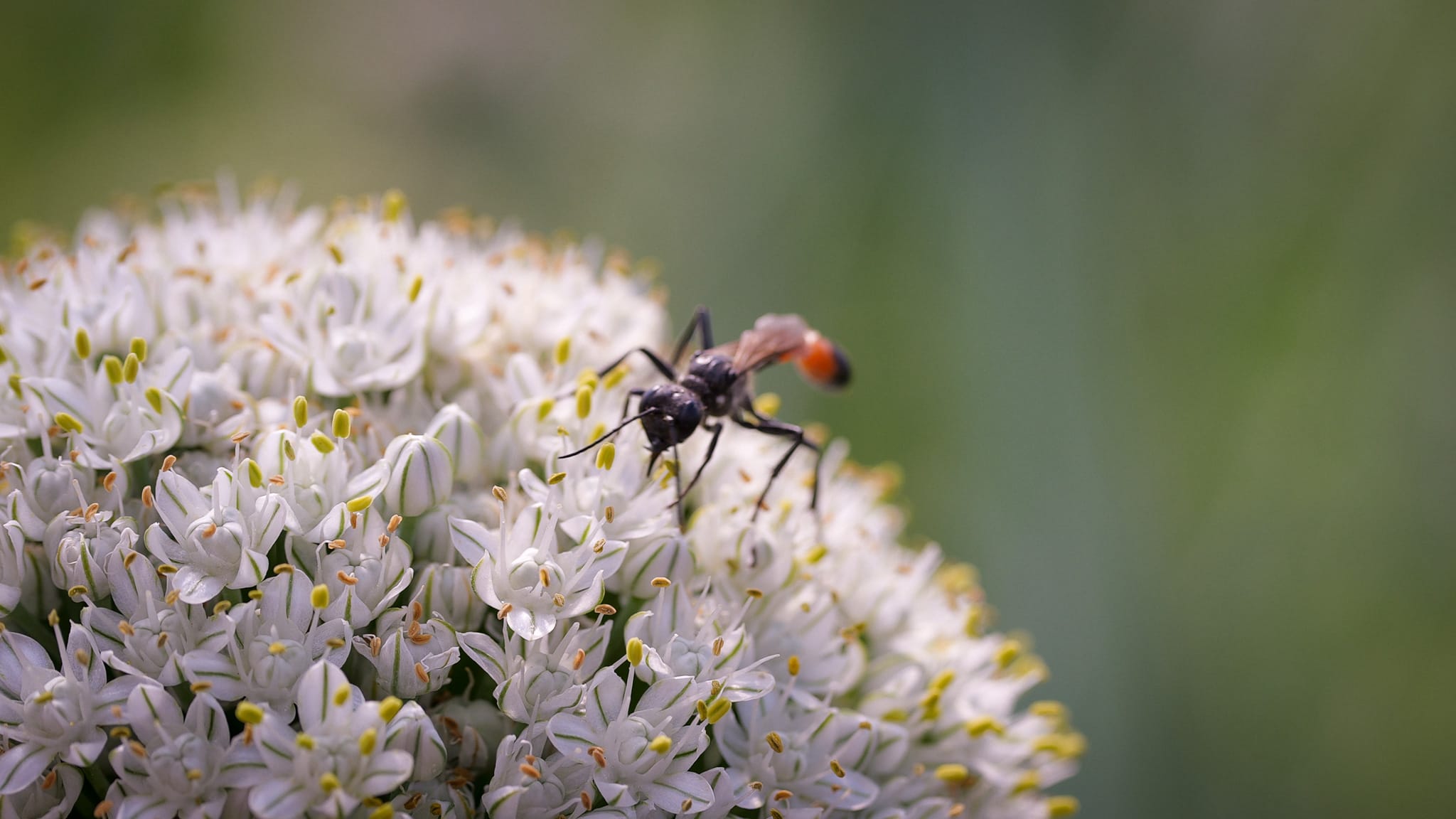
Increasing and maintaining biodiversity: both of cultivated germplasm and biodiversity of wild plants, fungi, animals and insects with special focus on pollinators (Hymenoptera, Lepidoptera, Coleoptera). Main efforts are on providing habitat (undisturbed sites, deadwood, edge zones…) and a variety of feeding opportunities throughout the season.
Carbon positive: working towards carbon positive and fossil-fuel free food production.
-
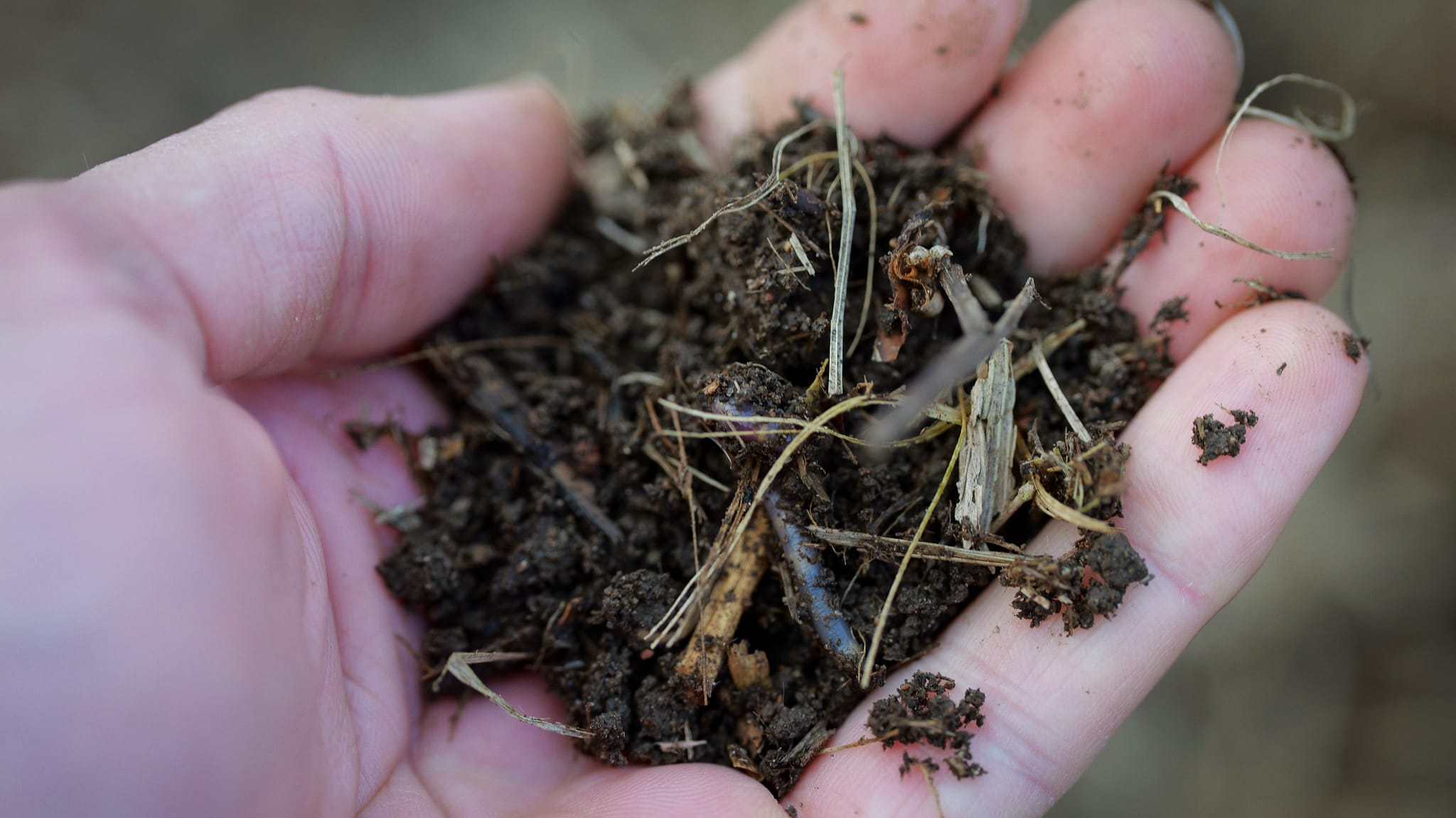
Min-till & agroforestry The farm implements a variety of soil conservation measures including having a large area of the farm dedicated to forest or agroforestry read more. While aiming for no-till practices in the vegetable garden to avoid carbon emissions connected to tilling, there is still some shallow tilling in some areas where perennial weeds are not under control. A main limiting factor for no-till is producing enough mulch for covering an area of almost 3,000 m² without importing external compost/materials.
-
Ramial The main mulch used is Ramial Wood Chips based on forest waste, mainly alder coppice. Tests are ongoing inoculating wood chips with Stropharia rugosoannulata for mushroom production.
-
Biochar Biochar is a way of capturing carbon long term in the soil, and at the same time increasing the ability of the soil to keep nutrients and water, which is highly needed in our sandy soil. We have a Kon-Tiki kiln built from an old fertiliser spreader. We use the kiln to transform wood waste (bits too big/small/crooked for firewood or chipping for ramial) to biochar. The Kon-Tiki kiln is cheap and simple, and it works very well. One problem is that the heat is just wasted, and of course part of the carbon is emitted during the firing. The biochar is either used as part of animal bedding to capture nutrients or loaded with nettle tea. We make around 1–2 cubic metres per year.
-
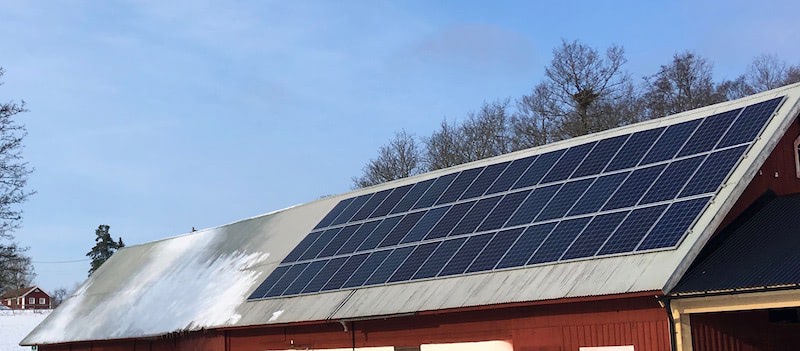
Electrification While increasing the carbon capture in the soil and living plants is our main goal, eliminating the carbon emitted is still needed. While some tools are already electrified (chainsaw, trimmer…) the farm still uses around 40 litres of petrol per year, equivalent to around 90 kg CO₂. The farm has a solar system with 48 × 270 W panels, for a total capacity of 13 kW, installed in 2018.
-
Energy monitoring and control With solar panels and an hourly-based tariff, we are exploring dynamic changes to electricity consumption in time based on price and availability. A prototype was created to show real time consumption/production and spot price and placed in the farm kitchen. This always visible information is then used for informing energy decisions (charging car, using tools, washing, using the oven…).
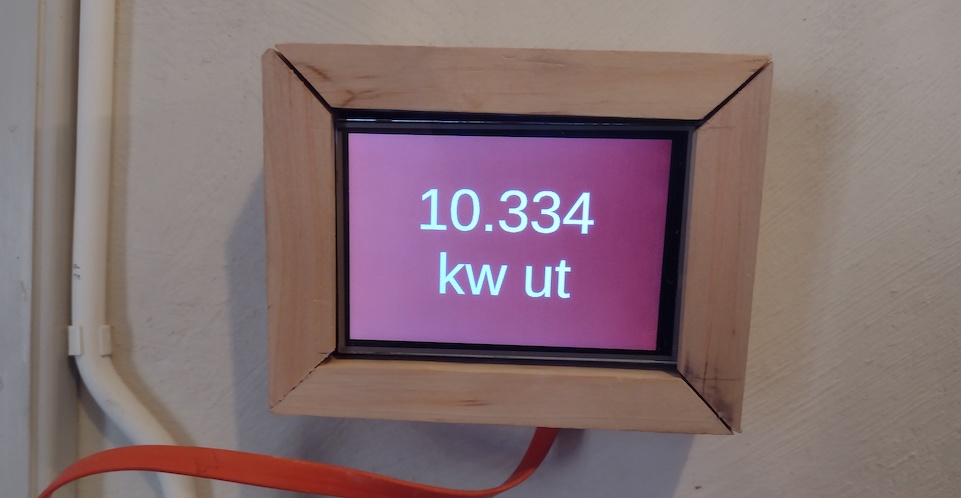 This work was part of the project Kitchen financed by Energimyndigheten
-
Sensing biodiversity Exploring how low-powered sensors and TinyML can be used for detecting and classifying species in the field for measuring population size and diversity. Current test to be run include:
- Using audiomoth to record bird songs and identify birds and bats. Birds can be used as a proxy for general biodiversity status.
- Using Arduino Portenta with LoRa running to identify birds using BirdNET-Lite
- Using Machine Vision for identifying and classifying flying pollinators.